It Reads the Drawings
A permit set speaks two languages — the notes and the drawings. CrossBeam reads the drawings.
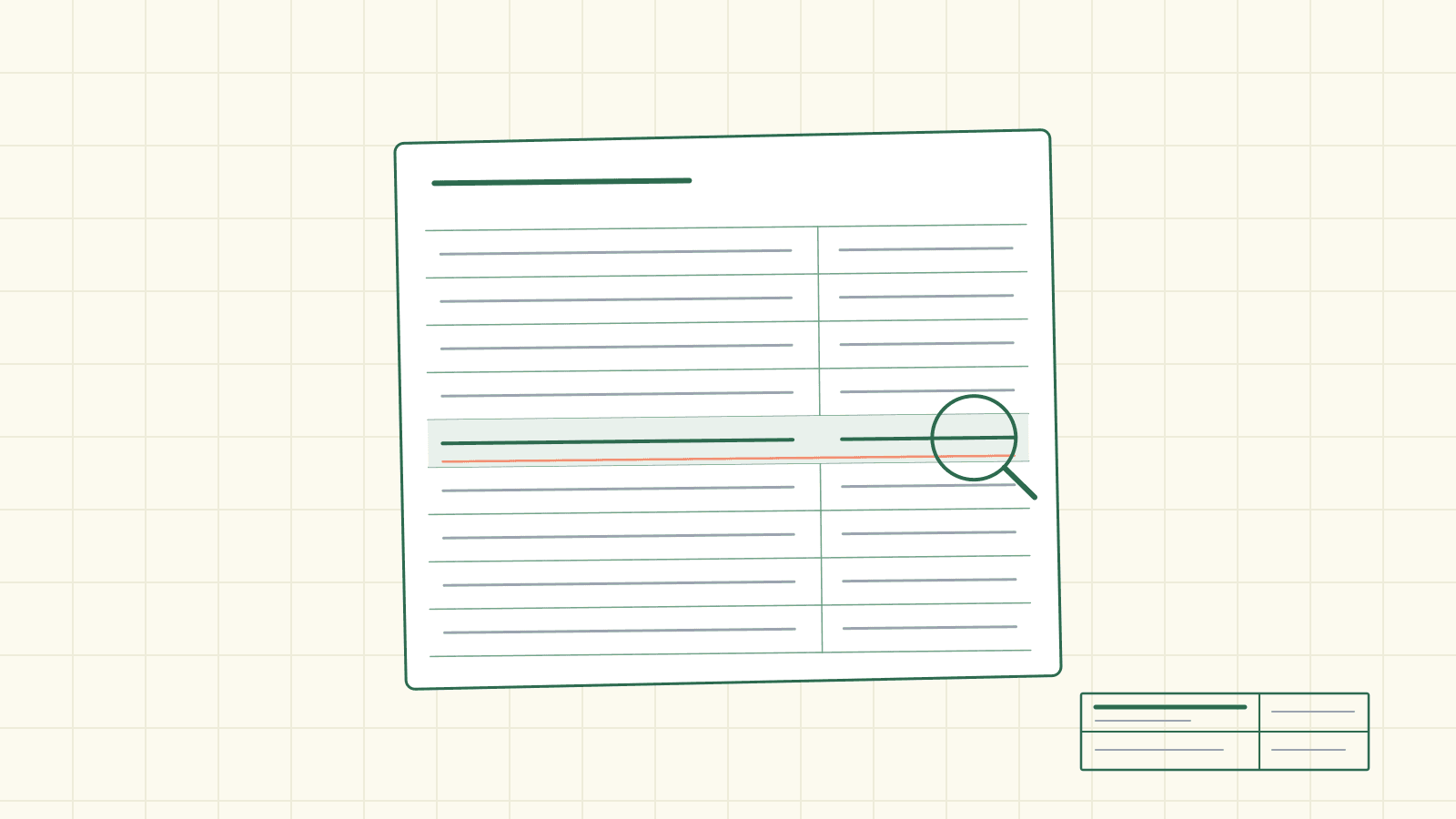
A permit plan set speaks two languages at once.
There are the notes — the words on the sheet. General notes, code citations, the title block, the line of fine print under the north arrow. And there are the drawings — the actual geometry. The dimension strings. The callout bubbles. The cells in a window schedule. The walls themselves, drawn to scale, sitting a measured distance from a property line.
Most automated plan checking reads only the first language. It reads the words, because words are easy to read. The hard part — the valuable part — is reading the lines.
CrossBeam reads the lines.
What that buys the person holding the sheet
When the review flags something, it points at what is actually drawn on the page. Not at a sentence in the notes that may or may not match the drawing — at this wall, this dimension, this label, this cell in the schedule. A finding you can put your finger on.
That sounds small. It isn't. A plan set is full of places where the words and the geometry disagree. The note says the new wall holds a five-foot setback; the dimension string on the site plan says four and a half. The general notes promise tempered glazing at every hazardous location; the window schedule has one cell that doesn't. The narrative is fine. The drawing is where the permit lives — and the drawing is what a plan checker red-lines.
A block of fine print
Here's a concrete one. Treat the exact numbers below as an illustration of how the capability behaves — not a promised result, and not a standing accuracy claim.
On the cover sheet of one set, the building-codes block listed eight governing editions — every one of them the current cycle's year:
BUILDING CODES
  Building Code ................. 2025
  Residential Code .............. 2025
  Electrical Code ............... 2025
  Mechanical Code ............... 2025
  Plumbing Code ................. 2025
  Energy Code ................... 2025
  Green Building Standards Code . 2025
  Fire Code ..................... 2025
Read at arm's length, that block is a trap. Fine printed digits blur when you take in a whole sheet at once, and a 2025 softens into a 2022. A reviewer working from that blurred glance would fire off a correction that reads, in effect, update these to the current code — a correction telling the applicant to fix something that is already correct. A false finding. The worst kind, because it sends a clean sheet back through the counter for nothing.
Read up close — eye on the actual building-codes block, the way you'd lean in to read the small print on a contract — the digits resolve. All eight say 2025. The sheet was right. No correction goes out.
That is the whole move, in miniature: don't grade the sheet from across the room. Put your eye on the line and read what is printed there.
It's the difference between flagging what the notes say and flagging what the drawing shows — and being able to point at the line.
Not just the cover
The same close reading is what dimension strings, schedule cells, and callout numbers need — because that's where the small, dense text lives. A net-clear egress dimension. A header size called out in a bubble. A count in a door schedule. A fire rating in a wall-type legend. These don't sit in the prose; they sit on the drawing, in the smallest type on the page, and they are exactly the values a finding has to get right.
When the review reads those values off the actual sheet instead of off a summary of the sheet, two things change. Real conflicts surface — the schedule cell that contradicts the plan, the two callouts that disagree with each other. And false conflicts don't — a dimension misread at a glance never hardens into a finding in the first place.
Reading the geometry
It goes past digits, too. Reading the actual drawing lets the review see geometry that a text summary blurs. How far a wall really sits from a property line — not how far a note claims it does. Whether a setback is actually clear once you measure it on the sheet. Whether two callouts that describe the same thing actually agree. A paragraph can summarize a drawing. It can't replace looking at it.
Here's the thing: a permit set is a drawing with words attached, not words with a drawing attached. The geometry is the source of truth. A review that reads only the words is grading a transcription. A review that reads the lines is grading the thing itself.
None of this decides your permit — your local jurisdiction does, and a finding is a flag to verify, not a ruling. What it changes is where the conversation starts. Not with a list of sentences lifted from the notes. With the sheet — this line, this dimension, this cell — and a question you can answer by pointing.