Nothing You Upload Gets Lost
A permit submittal is never just the drawings. Now the review reads the whole packet — and names anything it couldn't open.
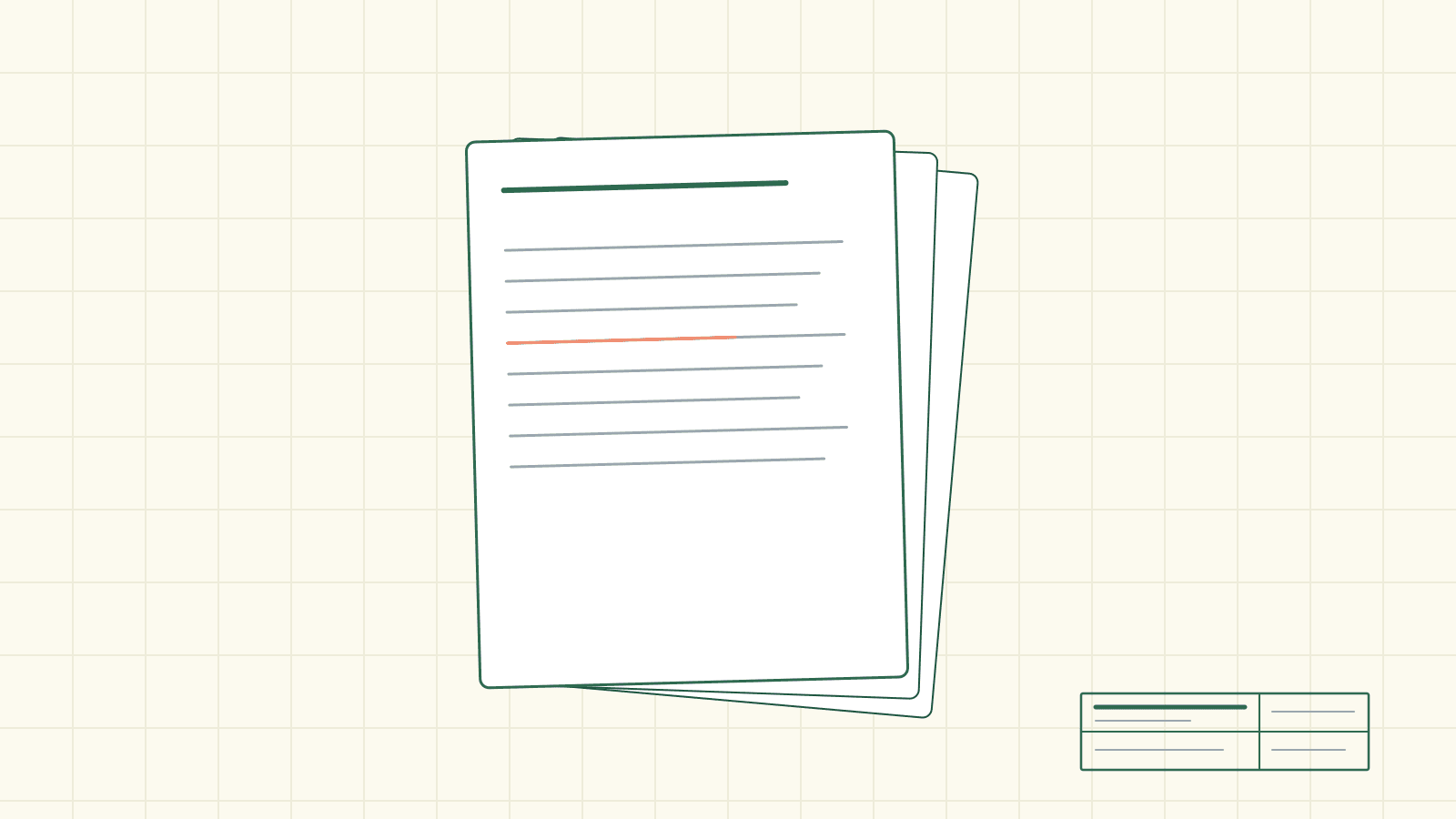
Look at what's actually clipped to a permit submittal.
The plan sheets are on top — that's the part everyone pictures. But flip past them. There's the structural calc workbook, pages of numbers that decide whether the beam holds. There's a geotech report written in Word. There's a form somebody filled out by hand and photographed on their phone, and a JPG of a detail marked up at the job site. The drawings are the headline. Everything behind them is the evidence.
And every one of those side files carries the same quiet fear: did anyone actually read it?
You spent a week on the lateral calcs. You attached the workbook. The set comes back reviewed — but the corrections only ever mention the sheets. So which is it: the calcs were fine, or the calcs were never opened? On a lot of automated reviews, there was no way to know. The drawings got read. The supporting documents rode along in silence — and silence is not the same thing as approval.
That gap is what this is about.
The review reads the whole packet now
CrossBeam reads the plan sheets — that's the headline, and always has been. What changed is everything clipped behind them.
The calc workbook gets read. The numbers in a structural or Title 24 spreadsheet — including the one a formula computes three cells over — come through as a table the review actually looks at, instead of a file it shrugs at and skips. If your area calc lives in a cell, that cell gets read.
The Word letter gets read. A geotech report, a structural letter, a scope write-up — the text comes through as text the review can weigh against the drawings.
The photo and the scan get read. A phone photo of a detail, a scanned page of a form — each becomes a page the review can look at, the same way it looks at a plan sheet.
For the builder, that's the answer to the week-long question: your calcs were in front of the review, not sitting unopened in a folder. For the city reviewer, it's coverage on the whole submittal — the supporting documents, not just the sheets that happened to arrive as a PDF.
It tells you what it couldn't open — by name
Here's the part that turns a nice-to-have into something you can trust.
Not every file can be read. Somebody attaches a CAD drawing straight out of the drafting software — a .dwg. The review can't plan-check that directly. But instead of quietly reviewing around it and saying nothing, it tells you exactly what to do:
DWG files can’t be plan-checked directly —
attach the plotted PDF of the same drawing.
The point isn't that every file opens. The point is that you're never left guessing which one didn't.
Same for a file that's corrupt, or a workbook with nothing readable in it, or a document that just wouldn't download. In each case the review names the file, says in plain language why it couldn't read it, and tells you the review doesn't cover it. You get told which document, and why — not a shrug, not a gap you discover three weeks later at the counter.
And one unreadable side file never sinks the whole review. If the plans are readable and one stray attachment isn't, the review runs on everything it can read and flags the one it couldn't. It stops cold only in the case that actually warrants stopping: when nothing in the submittal could be read at all — at which point it says so, plainly, instead of pretending it reviewed a set it never saw.
Why "silently" is the word that matters
The failure this closes wasn't dramatic. It was quiet — which is exactly what made it dangerous.
The old way a supporting document could be lost was invisible. A workbook or a letter would go up with the plans, its contents would fail to come through, and the review would carry on around the hole without a word. Nobody chose to skip it. It just went missing, and the run reported success as if nothing were. The most expensive errors in permitting are the ones nobody sees until later.
So the rule now runs both directions. If a document can be read, it gets read — the calc workbook, the letter, the scan, not just the sheets. If a document can't be read, you hear about it, by name, before the review moves on. What you don't get anymore is the middle case: a file that quietly disappears.
For a builder, that's confidence the evidence behind the drawings was actually weighed. For a city reviewer, it's knowing the coverage matches the submittal — every document accounted for, read or flagged, none silently dropped.
The drawings were always the headline. Now the whole packet gets read — and you always know exactly what was.
As with anything code-critical, verify the specifics against your local jurisdiction's submittal requirements.