On the City's Own Letterhead
The correction letter comes out on the department's own letterhead and seal, in its own voice — editable and ready to send same day.
For a city plan checker, the review is only half the job.
The other half is the letter. Once the findings are settled — the corrections marked, the missing sheets noted, the code sections pinned — someone still has to turn all of it into a formal letter the applicant will actually receive. And that letter has to look like the department's letter. Same seal. Same address block. Same phrasing the office has used for years.
So here's how it usually goes: the reviewer opens last month's letter, deletes the old body, and types the new one in its place. The letterhead survives because it was already there. The voice survives because they're writing over their own words. It works. It's also the slowest, most mechanical part of the day — a formatting chore standing between a finished review and an envelope.
CrossBeam removes the chore, not the letter.
The letter comes out on the department's own letterhead
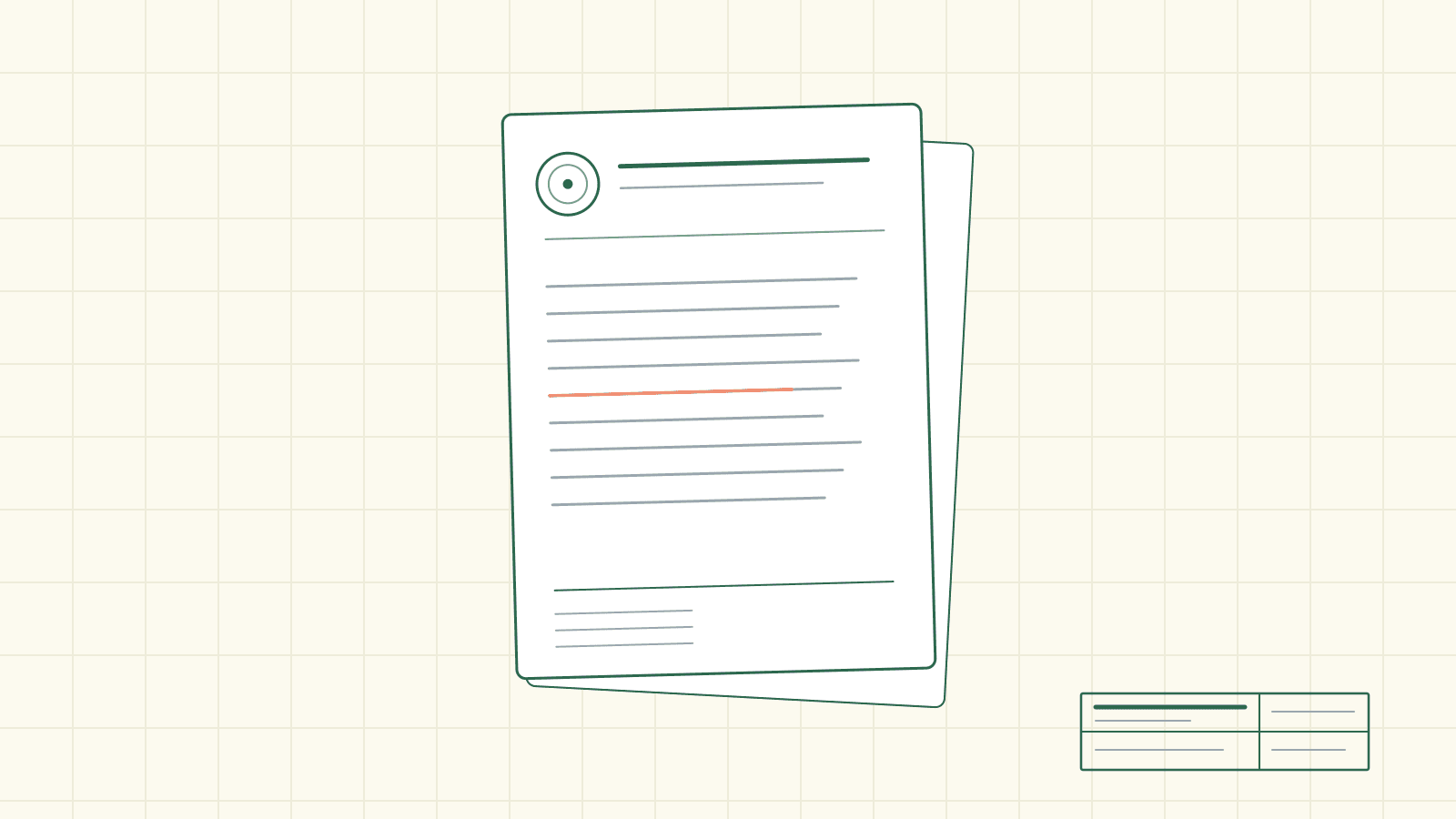
When the review is done, the letter that comes back is already on the department's own stationery. The city seal sits in the header. The address, phone, and fax run along the footer — the same footer that's on every letter the office sends. It isn't a generic letter with the city's name typed at the top. It's the department's letter.
The seal lands on the first page only, the way the real letters do. The footer repeats on every page after it. A reviewer who has signed a hundred of these will recognize the layout instantly, because it's the layout they already use.
An editable document, not a picture
Here's the thing that matters most to the person who has to send it: the letter opens as an editable document — not a flattened image, not a locked-down picture of a letter. The reviewer opens it and edits the body, exactly the way they work today when they open last month's letter and change the text.
That's the whole point. Staff already produce letters by editing a known-good document. This hands them that document with the current review already written in — the corrections, the sheet references, the code sections — so the edit is a read-through and a few touch-ups, not a retype. The reviewer stays in control of every word before it goes out.
In the voice the department already uses
The body reads like the office wrote it, because it's written to the department's own phrasing and tone. A reviewer shouldn't be able to tell it from a letter a colleague typed — same cadence, same house style, same way of saying "staff has reviewed" instead of "I reviewed."
And it follows the department's own structure. A building corrections letter comes back with the corrections grouped by trade, the way a plan checker reads them:
Building
Structural
Plumbing
Mechanical
Electrical
Energy
CalGreen
Fire / Life-Safety
A planning letter is a different animal, and it comes back as one — with the department's own boilerplate, a Missing Information checklist, a Comments section, the required entitlements and fees, and a pointer to the redlined plans where the corrections themselves live. Two departments, two letter shapes, each in its own form. (Treat those as the shape of each letter, not a fixed count of anything — every review is its own.)
The reviewer doesn't reformat anything. The letter already looks like the department's own.
The blanks stay blanks
Every department has fields it fills by hand — a case number the city assigns, a planner's initials, a date that isn't in yet. The letter never guesses at those. An unresolved field comes back as its own labeled blank, bracketed and waiting, so the reviewer knows exactly what to complete. A field with nothing behind it is simply left off — no stray line reading "APN: undefined," no invented permit number where a real one belongs.
Nothing is fabricated to fill a hole. If the case number isn't known, the letter leaves the space for it rather than minting one. The reviewer completes the blanks the same way they always have — but only the blanks, and each one is labeled and waiting.
The next city is the same letter on new stationery
The quiet part is what this means past one department. Bringing another city onto the same letter doesn't mean rebuilding it. It's the same finished letter — the same editable document, the same labeled blanks, the same in-their-voice body — on a new city's letterhead and seal. The next department and the next city get their own stationery and their own house style, and the reviewer on the other end gets a letter that looks like theirs.
Which is the test that matters: not whether the letter is impressive, but whether the reviewer can hand it out the same day without touching the format. No reformatting step between the review and the envelope.
None of this decides the correction. The reviewer does. The letter is a starting point in the reviewer's own hands — edited, blanks filled, signed — and it is still the reviewer's judgment that sends it, still worth checking against the department's own current practice. What changes is where the work starts: not with a blank page and last month's letter, but with this month's letter, already on the right letterhead, already in the right voice, ready to send.