Pinned to the Page It Cites
A finding that rests on a number in a calc, a report, or a form now opens to that page and boxes the exact value it cited.
Every plan review ends with a list. The list is only worth as much as you can check it.
A lot of findings are easy to check. The review flags something on a drawing, you turn to the sheet, you look. But some findings don't rest on anything you can see on a drawing at all. They rest on a number that lives somewhere else — a value inside a structural calculation package, a line in a soils report, a field on a city form. The drawing only points to it: see sealed calculations, per the geotechnical report. The real number is forty pages back, in a document nobody opens unless they have to.
Here's the thing: those are the findings that are hardest to trust, because they're the hardest to check. The review tells you two numbers don't agree. To see for yourself, you have to go dig out the calc, find the right page, and run your finger down a column of figures until you land on the one it meant. Most people don't. They take the finding's word for it — or they let it slide.
Click the finding, land on the page
Now the finding carries its source with it.
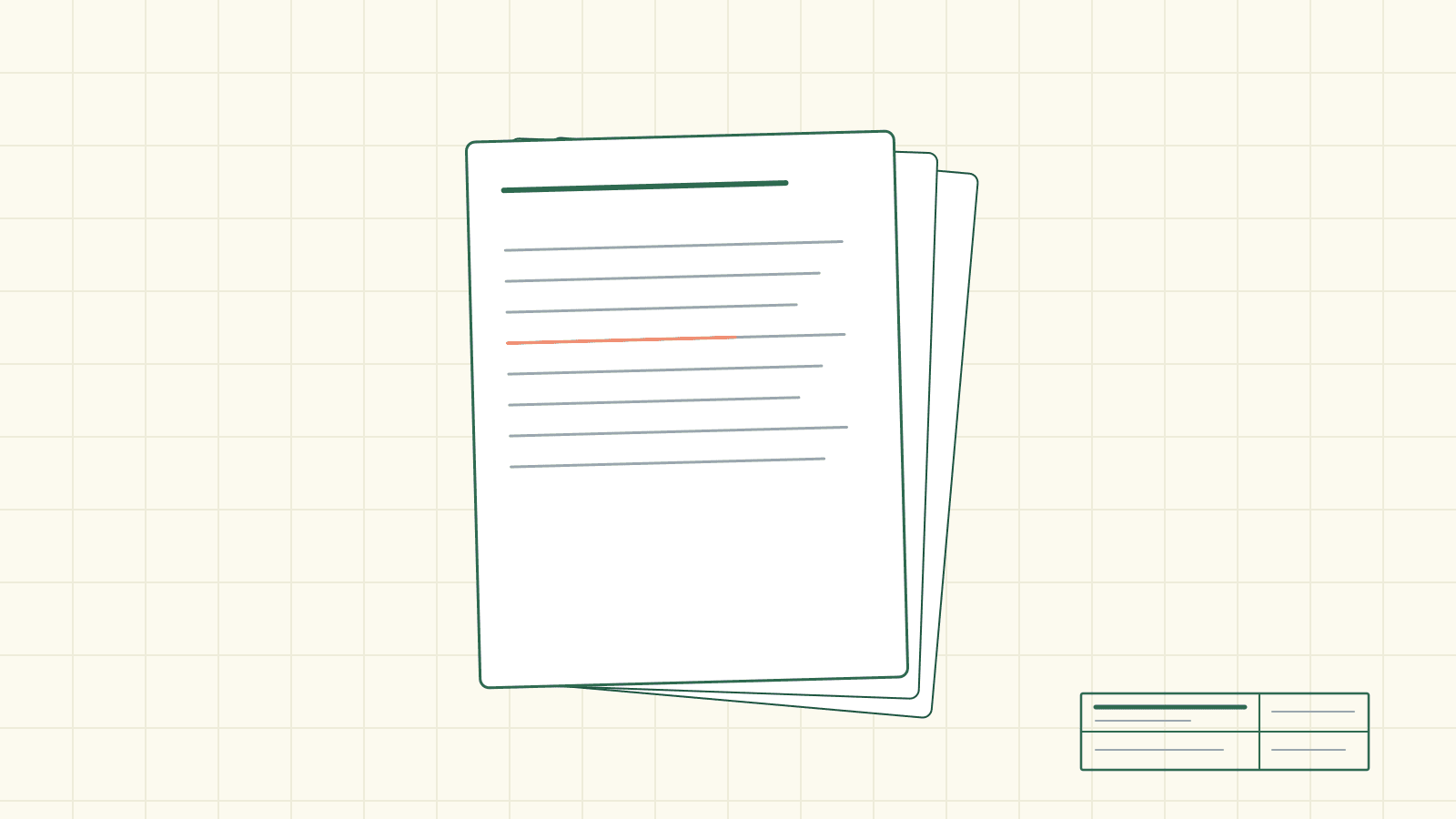
On a finding that rests on a supporting document, there's a small chip: Evidence, the document's name, and a page number. Click it, and that document opens — not to its first page, not to the section, but to the exact page the finding cited. And on that page, the one value the finding is pointing at is boxed.
Not the whole page highlighted. Not a vague region. The specific figure — framed so you can read it clean, the box drawn around the value, never over it.
You don't take the finding's word for anything. You look at the number it cited, on the page it came from, and you decide for yourself whether the finding is right.
A finding that shows you the exact value it's pointing at isn't asking for your trust. It's handing you the receipt.
That's the whole move, and like most good ones it's smaller than it sounds. The review already reads the calcs and the reports behind a set. This is what happens after — it shows its work. For a builder running a pre-check before reworking a sheet, and for a plan checker confirming a flag before it goes in a letter, the job is the same from opposite chairs: decide, finding by finding, what's real. Now the proof is one click away instead of forty pages back.
The pages nobody could see
Some documents in a submittal were, until recently, invisible to a review.
Not the clean typed sheets — those read fine. The problem pages were the ones with nothing typed on them at all: a calculation sheet worked out by hand, a city form someone filled in and marked up with a pen. They sat in the binder, part of the record, and the review simply couldn't see them.
Those pages get read now. A handwritten calc, a marked-up form — the review opens them, reads them, and when a finding rests on something written there, it cites that page too, and boxes the spot, same as any other. The part of the submittal that used to fall through the cracks is now on the same footing as everything else.
When it cites the whole page
Not every citation lands on a single value. Sometimes the finding is about the page itself — a missing certification, a form that should carry a signature block and doesn't. For those, there's no dot hovering in the middle of nowhere, pretending to a precision it doesn't have. The page just wears a quiet badge at the top: Cites this page. Honest about what it knows, honest about what it doesn't.
And even a finding that doesn't point at any drawing sheet at all — one whose whole case lives in a calc or a report — still carries its evidence on that supporting document. It keeps its receipt.
A fair question: isn't this the same as the finding that jumps you to a spot on a drawing? It's the cousin. That one turns a drawing sheet to the region it's about. This one is the documents behind the drawings — the calcs, the reports, the forms where the real numbers live, and where, until now, a finding could only name a page and leave you to find it.
What it's worth at the counter
Treat any specific number here as an illustration, not a promised catch on your set: a caisson diameter boxed on a soils page, a load value framed on a calc sheet. The point isn't the example. The point is that when a finding rests on a number you can't see on a drawing, you no longer have to take it on faith or go hunting for it. The source opens to the page, with the value framed, and you check it yourself.
None of this decides a permit. Your local jurisdiction does, and a finding is a flag to verify, not a ruling — codes change, editions turn, and what one counter wants is not what the next one wants. Verify every requirement against the jurisdiction that will actually stamp your set. What changed is where the checking starts: not with a page number and a scavenger hunt through the back of the binder, but with the page already open and the number already framed.