The Correction Letter, Decoded
The dense PDF that lands months after submittal — every item explained, code-cited, and turned into a response you can send.
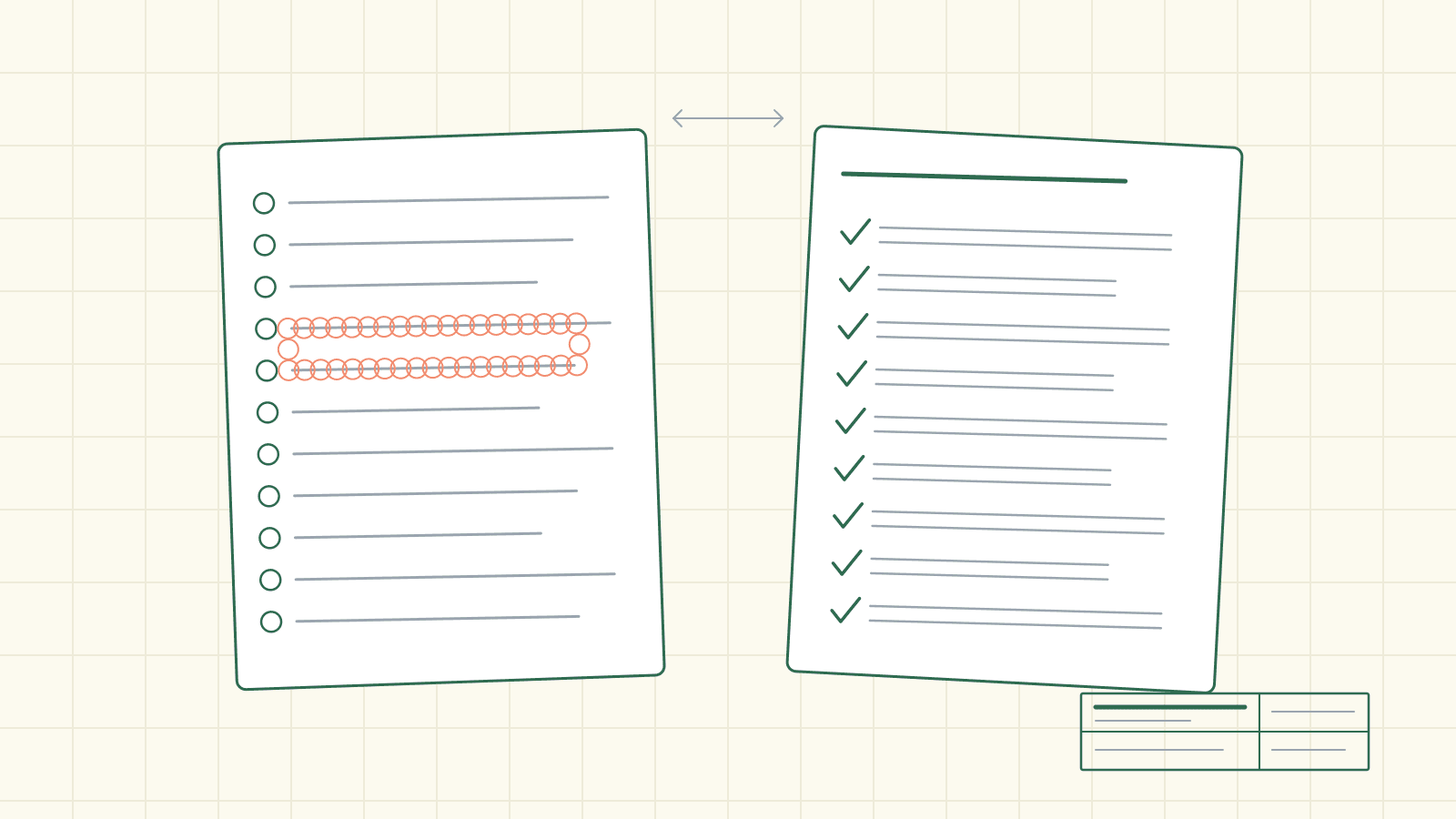
A correction letter is the building department's reply, and it arrives the way bad news usually does: late, and in a format nobody enjoys reading.
Months after a plan set goes over the counter, a PDF comes back. It's dense. It's numbered. It's written in the clipped shorthand of a plan checker working fast — a comment number, a sheet reference, an ask that assumes you already know the code section it's leaning on. Half of it is plain enough. The other half might as well be in another language. And the clock on the next review cycle doesn't start until someone answers all of it.
That letter is the problem CrossBeam was built to solve. Not the drawings — the letter.
Hand over the letter and the plans
Here's the move. You hand over two things: the correction letter, exactly as the city sent it, and the plan set it's about. No re-typing, no reformatting, no pulling the comments into a spreadsheet first. The raw PDF, the way it landed in the inbox.
What comes back is the letter, decoded — item by item. For each correction, three things:
- Where it points in the plans. The sheet, the detail, the spot the comment is actually about.
- The code or local rule behind it. The section the checker is leaning on, named — so the ask stops being a riddle.
- A drafted response. Not a restatement of the comment. An answer to it — one that takes a position and tells the builder exactly what to fix.
That last part is the difference between a letter you have to decode and a letter that decodes itself.
A response that takes a stance
The drafted response doesn't hedge. It answers each item the way a contractor actually answers a letter — by taking a position:
Per item, the response lands on one of:

  Will comply
  Comply as noted
  Already shown on the plans
  Respectfully disagree
  Needs input from the contractor
  Needs a licensed professional
"Already shown on the plans" is the one that saves the most grief — the correction that was never really a problem, just a comment that missed where the answer already lived. "Needs a licensed professional" is the honest one: the structural or geotechnical item that no amount of drafting can paper over. Between those two is the whole texture of how a real response letter reads.
The whole package, all at once
The point isn't a single drafted reply. It's the package a resubmittal actually needs:
- a drafted response letter you can send,
- a point-by-point report that walks every correction,
- a professional-scope note flagging what needs an engineer's or architect's stamp,
- and annotations tied to the sheets the comments reference.
And it comes whole. The full package lands up front, gaps and all. The items it can't fully answer — the ones that genuinely need a number from the contractor or a document that doesn't exist yet — come back marked as open gaps, not as a wall that stops everything else. If there are follow-up questions worth asking, they're there, pointed and specific, as an option. Not a form you have to clear before you see anything.
A correction letter can run long. One real letter in testing carried thirty-nine items — one planning note, thirty architectural, eight structural. (Treat that as an illustration of the shape, not a promised count; every letter is its own animal.) Thirty-some items is a normal Tuesday. The value isn't that the package is short. It's that all of those items come back already sorted, already cited, already drafted — instead of a designer reading the letter cold, line by line, cross-referencing each one by hand.
The letter already knows what's wrong. The hard part was never finding the problems — it was answering them.
Speaking the checker's current language
Here's the thing a response letter has to get right, and the thing that's easiest to get wrong: the code section it cites has to be the one in force now.
California renumbers and erratas its code books constantly — mid-cycle, not just every three years. A response that answers a current-cycle correction by quoting a section number from the last cycle isn't just sloppy. It hands the checker a reason to bounce it. A correction citing a stale section number is, itself, a correction. The drafted response is written to speak the checker's current language — the section in force this cycle, not last cycle's renumbered one — so the reply doesn't generate its own next round.
That's the quiet discipline under the whole thing. The letter is only answered if the answer survives contact with the same plan checker who wrote it.
Any permit, not just ADUs
The first version of this was built around accessory dwelling units, because that's where the correction grind is loudest. But the letter is the letter — a single-family addition gets the same dense PDF, and so does a whole-house remodel. The decoding works across permit types, validated beyond ADUs on single-family work, because nothing about reading a comment, finding its code, and drafting a position is specific to one kind of project.
When the response is ready, the drafted letter downloads as a document you can send — the same file, on its way back to the city.
None of this decides the permit. The plan checker does, and a drafted response is a starting point to verify against your own jurisdiction's rules — not a ruling, and not legal advice. What it changes is where the work starts. Not with a dense PDF and the sinking feeling of reading it twice. With every item already explained, already cited, and already answered — and a response you can actually send.