Wrong City, Right Check
Upload a set to the wrong city's free pre-check, and instead of a dead end you get a real read of the city your plans are actually for.
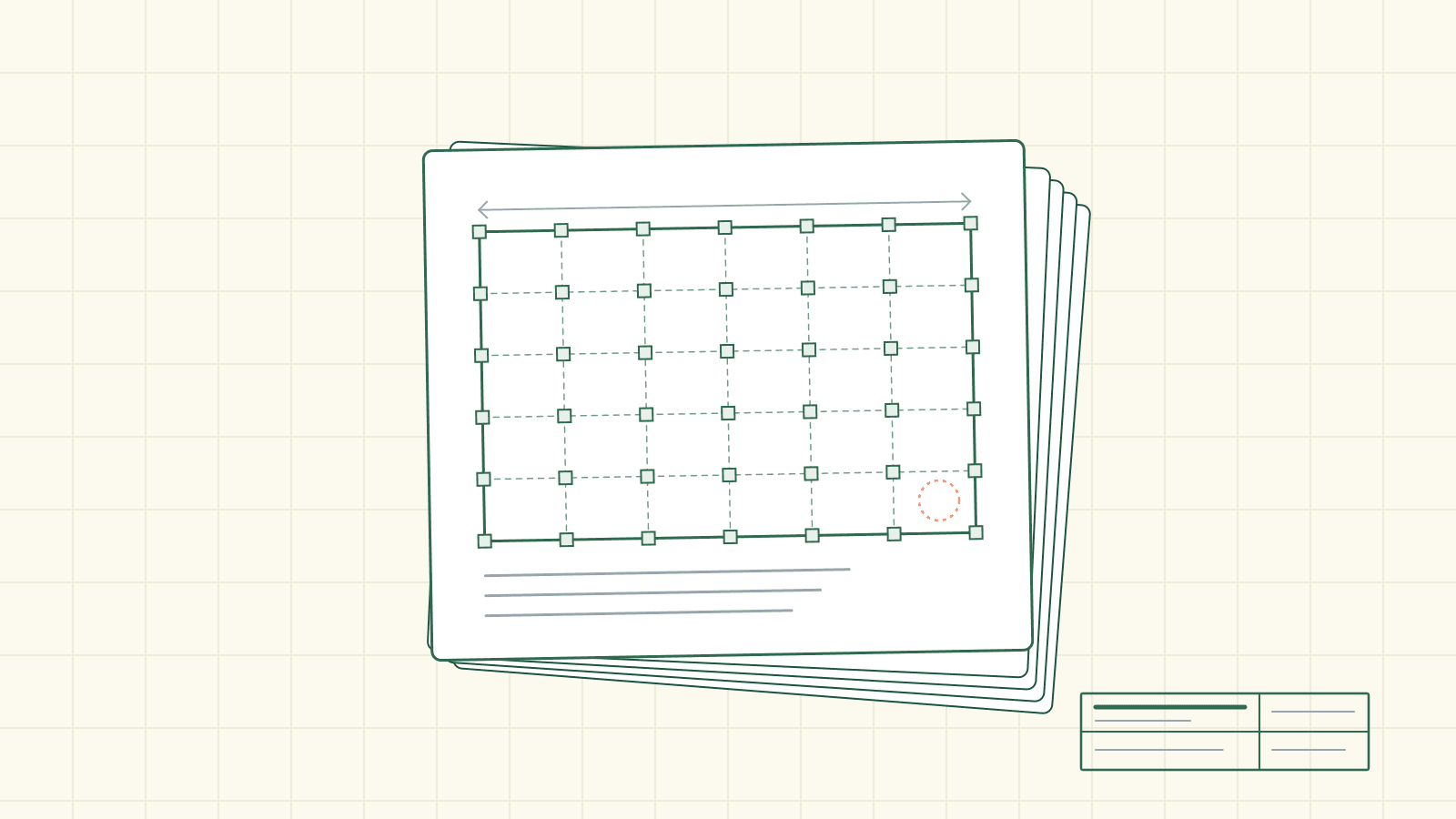
Picture the moment every builder dreads a half-second too late.
A designer has a permit set ready — a clean package, every sheet where it should be. A nearby city offers a free pre-check: drop in the plans, get a read before the counter ever sees them. No reason not to. So the set goes up.
And then the stomach drops. These drawings were drawn for the next city over.
Maybe the lot sits a block across a line nobody can see from the street. Maybe the wrong city's portal got picked at 11 PM. It happens more than anyone admits — addresses get mislabeled, projects get built across city lines, and a free pre-check is exactly the kind of thing you try fast and think about later.
Here's what that used to earn you: a dead end. A polite little note that the check had been stopped — this pre-check was for a different city — and a link out the door. You'd uploaded a real set of real drawings and gotten back a shrug.
The turn
That's the part that changed.
Now, when a set lands in a city's free pre-check and the drawings turn out to be for somewhere else, CrossBeam doesn't stop at the door. It turns around and runs the same plan check against the rules of the city the drawings are actually for — the codes that city enforces, its local amendments — and it does it at no cost to the builder.
The applicant isn't charged a thing. The dead end becomes a read. Same files, same sheets, pointed at the right rulebook.
And it doesn't make you take that on faith. The results come back as a preview with the numbers right on top: how many corrections, how many items to check with the city, how many passed clean. Then two of the corrections are opened in full — the sheet, the code section, and the fix — free, for you to read right now.
Corrections       counted
Items to check    counted
Passes            counted

2 open to read in full — free
The rest stays locked until the builder decides the read is worth the first-review price. But the two that are open aren't a teaser screenshot. They're real findings on the real plans, the same kind of line a plan checker would write — with somewhere to start today.
How it knows the right city
The quiet trick is that nobody has to tell it where the plans belong. CrossBeam reads the address off the drawings themselves.
When the city the plans name is one CrossBeam already reviews — matched by name and by state, so a city of the same name a few states away never gets mistaken for the one you mean — and that city covers this kind of permit, the check reruns there automatically. When it's a city CrossBeam doesn't cover yet, the builder gets an honest hold instead: nothing was charged, and if the address was simply mistyped, one reply sets it right.
The results arrive by email, and the link does something small and kind: it signs the builder in with no password to fumble for. One click from the inbox to the two open corrections.
Upload to the wrong place, and you still walk away with a real read of the right one.
Why free is the whole point
It would have been easy to treat a wrong-city upload as a problem to turn away. The generous version is harder and better: a builder who mislabeled an address, or built one lot across a line, gets handed the thing they actually needed — a real check of their actual city — instead of a door.
That's the spirit of a pre-check in the first place. Catch what the counter would catch, earlier, when it's cheap to fix. The city it was aimed at turning out to be the wrong one doesn't change what the builder was trying to do. So the review quietly does it anyway.
It's been run for real
This isn't a diagram of how it ought to work. The whole path has been exercised end to end on a live run: a set came in for the wrong city, the original was held and left uncharged, the check reran against the right city's rules, two corrections opened in full, nothing locked leaked to the screen, the email signed the applicant in, and paying opened the rest. It held together, start to finish.
What a builder feels is simpler than all of that. You uploaded a stack of drawings to the wrong place on a late night. Instead of a shrug, you got a genuine read of the right place — two corrections already open, the sheet and the code and the fix spelled out — and it cost you nothing.
The wrong city was never the end of the road. It was just the turn.
Code requirements and local amendments vary — verify the specifics against the jurisdiction your project is actually in.